Showing posts with label fabric. Show all posts

Wednesday

Soft Furnishing Fabrics – Chiffon


Chiffon is a plain lightweight fabric which can be made from silk or cotton. This sheer fabric's name is from the French for cloth or rag and is typically used in making clothes rather than soft furnishings. However, with the increase in popularity of using sheer lightweight fabrics for curtains or bed canopies chiffon is being used to create these fluid, semitransparent window dressings and sensuous drapes for beds.

Image: Simon Blackly

Friday

Soft Furnishing Fabrics – Silk, Pure and Faux

Silk is a natural fibre made from the larvae and cocoon of the Mulberry silkworm which are commercially reared for the production of silk. The beautiful shimmer and sheen on the surface of silk is due to the structure of the thread which causes light to reflected from its surface.


Silk has been used for centuries to make textiles and fabrics. Chinese silk tapestries, screens and clothes are three of the most common uses for silk, although it was only used for the Kings of China for their clothes, furnishings and was also given as treasured gifts.

Today much of the silk produced comes from Thailand when it is cultivated all year round and woven into yarns for textiles. India also produces silk and is by far the greatest consumer of silk.

While pure silk is gorgeous it can also be difficult to work with and to clean. Today faux silk made from polyester is used to make fabrics for soft furnishings, it more durable and can easily be cleaned. Of course, the price difference is also notable.

Image: quadrapop

Thursday

Damask Soft Furnishing Fabric

Damask has been used for centuries for homes and clothing. It's made by weaving one warp yarn and one weft yarn which makes the pattern reversible. Today damask is made from natural materials such as line and silk along with man-made fibres such as rayon. Virtually any pattern can be made from this type of weaving, making it ideal for making curtains, drapes, Roman blinds, cushions and other home soft furnishings and light 
upholstery projects. It's a robust and durable fabric and is renowned for its longevity if cared for correctly.

Image: ButandCreate

Wednesday

Paisley Pattern & Toile Fabric

Paisley is the name given to the twisted tear-drop pattern printed onto a variety of fabrics. The origin of the design comes from Persia or India, however, in the UK it's the distinctive pattern that was produced in the town of Paisley, Scotland.

Toile is the French name for the linen cloth or painting canvas which was introduced into the UK in the 12th century. Toile is also the name given to a test garment which was typically made from the same cloth, in the US they're often called muslins.

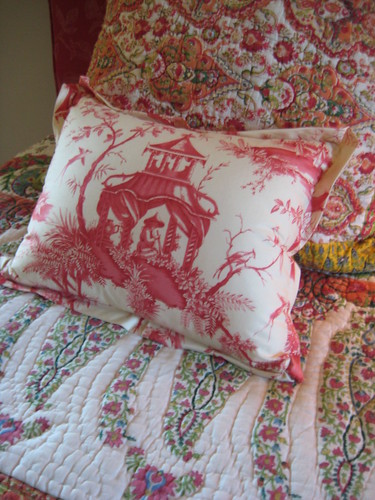
Toile de Jouy is the gorgeous cloth associated with French landscapes which depict tranquil scenes of yesteryear. This fabric usually has a creamy background with the Toile de Jouy repeat pattern in blue or red, although green and browns are also available. It's used for soft furnishings such as drapes and curtains and and is ideal for upholstery projects. 

Image: PoshSurfside.com

Tuesday

Lightweight Voile

Lightweight voile is becoming increasingly popular with the world of interior design. It's being used as a modern update to net curtains, to create a variety of layered looks used for window dressings and to drape over curtain poles for an informal, yet stylish window dressing. It's also being used to create wonderful bed canopies and curtains for modern styles four poster beds as it falls gracefully, creating a sensuous, soft look.

Voile can been made from 100% cotton or more commonly from polyester. Or polyester/cotton blends. It's name comes from the French veil – which describes this gorgeous sheer fabric beautifully.

Image: 
Independantman (via Flickr)

Friday

5 Tops Tricks For Window Dressings

We all have windows in our home, but are you making really good use of them? Here's 5 top tricks to help you get the most from your curtains.


1. The Art of Illusion
To make windows seem taller hang your curtain pole or track as near to the ceiling as possible. You should also choose a vertical pattern. You don't have to use stripes, if you choose a pattern which runs upwards the eye will automatically be drawn upwards as well. To make windows appear wider choose horizontal patterns.

2. Let the Light In
By hanging your curtains outside of your window frame you'll be able to open them right up past the glass which will enable you to see all of the window panes and will maximise the amount of light entering the room. This is also a great trick for making narrow windows look wider.

3. Instant Freshen-up

If your curtains need an instant breath of fresh air pop them into the tumble dryer on a low heat with a fabric-softener cloth, they come out smelling fresh and if you hang them back up whilst they're still warm any creases should also fall out.

4. Use the Right Size Curtain Pole

Curtain poles are available in various dimensions as they are designed to hold different weights of curtains. The heavier the curtains the larger the dimensions should be. Also make sure wall fixings are adequate and secure – heavy weight curtains may not only make a curtain pole bend they can also pull the fixings out of the walls.

5. Fabric Allowance
Never try and skimp on the amount of fabric you need, it's better to opt for a cheaper fabric than trying to make the fabric fit. Curtains which don't meet or overlap in the middle when closed look unprofessional.

Image: Mirage Floors vis Flickr

Thursday

How to Measure-up for Curtain Fabric


Although window dressing trends are constantly altering the principles of making them work properly remain unchanged, and if you're going to make your own curtains you'll have to measure accurately to ensure that you buy the right amount and type of fabric.

 
  • Always use a metal tape measure. Fabric tape measures may stretch over time, metal ones will provide the most accurate readings.
  • Don't be tempted to skimp on the amount of material especially if you're using sensual fabrics such as silk, lightweight voiles as they require more volume if they're going to look their best.
  • Choose how long you want your curtains, do you want them floor length or to sit just below your window sill? Add an extra 10cm for the top seam and an extra 20cm for the hem. If you're using tracks measure from the top of the track, if you're using curtain poles measure from the bottom, where the rings will be.
  • If you want a curtain heading which has multiple pleats, such as a pencil pleat heading, measure your curtain pole or track and multiply by two and a half.
  • For tie or tab tops multiply the width of the pole by one and a half or two depending on how much fullness you want.
  • Eyelet curtains should be one and a half or two times the width of your curtain pole.
  • You should also add an extra inch to the width measurements so that the curtains overlap when closed.
  • For tie or tab tops measure your curtain poles and add an extra 5cm each end for seam allowance.
  • It's wise to have a little more fabric than your actual measurements to allow for shrinkage.

Be wary that floor levels and window sills aren't always straight, this is especially true if you live in an older house – but don't be fooled into thinking new houses will have a level floor or window sill because they don't always so it's worth checking. Take measurements from each side and the middle to be on the safe side.

Image: via Flickr

Wednesday

Fret & Lattice Patterned Fabrics

These medium or heavy weight fabrics are perfect for soft furnishing and upholstery projects. If you choose neutral backgrounds the raised fret or lattice pattern will show more effectively as well as giving the fabric body and substance.


When using this style of fabric allow for sufficient fabric so that you can match the pattern for a professional end result. Mismatched patterns don't look very good, so it's also worth taking a note of how large the repeat pattern is when buying your fabric – it's a bit like wallpaper the larger the repeat the more fabric you'll need. The remnants can also be used to make other accessories such as tie-backs for curtains.

Friday

Fabrics – Denim

The denim we know and love for jeans is a cotton twill fabric which is robust and sturdy – hence the hard-wearing jeans that were originally designed for work-wear. The fabric is made by the weft being passed under at least two warp threads. This process creates the diagonal ribbed effect and distinguishes denim from cotton duck.

The blue-jeans colour is created by only dying the warp threads, leaving the weft threads white – this is why jeans are white on the reverse side. It also means that denim is renowned for fading and within the fashion world has been used to create faded blue jeans, stone washed jeans etc.

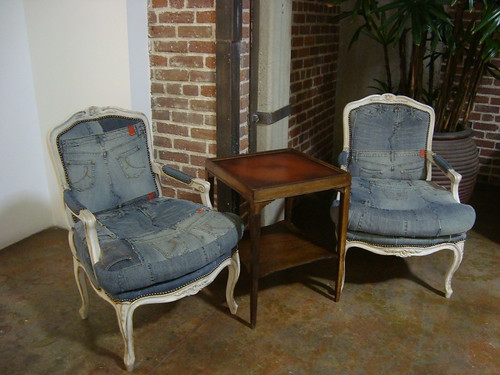
For use as a soft furnishing fabric denim is strong and tough, but it can also easily shrink, so if you do want to use it to reupholster chair seats or make bean bags and pouffes make sure that you wash it a few times before using it or be prepared to have a non-washable soft furnishing.

If you love patchwork, recycling and up-cycling denim is a great choice of fabric – the variations in colour can create some wonderful visual effects.
Image: hownowdesign

Image: LA & OC Foodventures

Friday Fabrics – Versatile Cottons

Cotton and cotton blinds have become part and parcel of our lives. From the clothes we wear to our soft furnishings, we all use cotton everyday whether we realise it or not. This versatile fabric is ideal for many aspect of interior design, more especially soft furnishings and bedding.

Cotton blends, typically polyester and cotton, have also made life easier in terms of maintenance. Most can be machine washed and tumble dried without any undue affects on the fabric. However we should also note that cotton comes in many different qualities with 100% Egyptian cotton being considered the best. The thread count of the fabric should also be taken into consideration, because the higher the thread count the higher the quality of the cotton. A 200 thread count provides longevity and is a sign of luxury.

If you've ever slept in a bed with low quality cotton sheets you may have noticed the bobbling, not to mention areas becoming thread bare within a short space of time. This type of bedding is ideal if you're prepared to replace it regularly, while quality cotton may have to be ironed to keep it silky smooth against you skin it's ideal for keeping you warm in the winter (apart from the initial coldness when you first get into bed!) and it will also help to keep you cool in the summer.

Bedding isn't the only area in our homes where cotton is used. Curtains and blinds are often made of cotton or cotton blends, once again due to the fabrics durability and versatility. With thousands of plain and patterned cotton fabrics readily available you'll have little trouble finding great quality at affordable prices if you shop around online.

Image: Clearly Ambiguous